

Table of Contents
THE RISE OF SMART LOCKER ADVERTISING
From convenience to connection
Unlike many other media formats, Smart Locker Advertising is woven into a useful task, which gives it both relevance and credibility. As more people chose to buy online and collect in person, shopping centres and retailers needed secure, efficient collection points that fitted naturally into busy retail environments. Smart lockers emerged as an ideal solution, offering a convenient, self service system where customers could collect parcels at a time that suited them, without standing in queues or waiting for staff. For retailers, these lockers reduced pressure on in store teams, streamlined order handling, and created a visible symbol of modern, connected service inside the mall.
The story of smart lockers did not stop at logistics. Once installed, these units quickly became familiar landmarks within shopping centres, often placed in high footfall areas where customers pause, scan, and interact. The addition of digital screens to the lockers transformed them from purely functional infrastructure into high attention media surfaces. While customers waited for codes to load, scanned their phones, or retrieved parcels, their focus naturally rested on the surrounding screen content. What began as a practical answer to Click and Collect turned into a new canvas for communication, where brands could speak to audiences in the very moments when they are physically and mentally engaged.
This evolution has established smart locker screens as a distinctive form of digital out of home media. Positioned directly within retail environments, they sit at the intersection of customer journeys, catching the eye of people who are already present, attentive, and primed to spend. The addition of Smart Locker Advertising into our daily lives reflects more than a technical upgrade. It shows how a solution born from convenience can become a channel for connection, turning everyday collection points into powerful opportunities for storytelling, promotion, and brand building at the heart of the shopping experience.
SMART LOCKER ADVERTISING AND MOMENTS OF INTENT
Unlocking value for brands and consumers
To create clear mutual advantages for both brands and consumers, Smart Locker Advertising strategies must strive to create moments of intent. For people using the lockers, the presence of relevant content on nearby screens can feel like a natural extension of their shopping journey. While they unlock a parcel or wait for a code to appear, they are already engaged in a task that is practical and convenient. If the content highlights offers, services, or brand stories that are contextually linked to the mall or the current season, the experience feels useful rather than intrusive. In this way, relevance and convenience blend into a form of contextual engagement that fits seamlessly into the moment.
From the brand perspective, tapping into the real benefits of Smart Locker Advertising means recognising this unique media environment as a strategic asset. The platform provides access to high footfall audiences who move through central areas of the mall, often near major anchors, food courts, and key walkways. The natural dwell time that occurs while shoppers interact with the lockers creates a rare opportunity to hold attention, with the added advantage of being situated very close to purchase decisions. Whether someone is collecting an online order before browsing further or stopping to pick up a parcel during a wider trip, smart locker screens allow brands to appear at a pivotal point where intention, presence, and spending power align.
To fully realise this potential, Smart Locker Advertising can be woven into contemporary culture by aligning content with seasonal trends, retail rhythms, and real-world behaviours. Campaigns can follow the flow of the year, from back to school and festive gifting to sales periods and local events, so that the messaging on smart locker screens reflects the mood of the mall and the community it serves. Creative that responds to time of day, day of week, or specific retail moments helps smart lockers feel like part of the modern mall experience rather than an interruption within it. In doing so, making way for a practical brand touchpoint that can transform into a dynamic, culturally aware channel that enhances the overall atmosphere of the shopping journey.
NEED TO KNOWS FOR SMART LOCKER ADVERTISING STRATEGIES
Pathways to enactment
The general hesitancy around Smart Locker Advertising felt by marketers and brand managers can be attributed to the fact that this platform sits at the intersection of digital out of home, retail media, and shopper marketing in a way that many teams have not yet fully explored. The format looks physical and environmental, yet it behaves like a digital screen network with its own data, scheduling, and creative rules. This newness can lead to questions about how to brief, how to design, and how to measure success. Skepticism often arises not from a lack of belief in the potential of Smart Locker Advertising, but from uncertainty about how to work with the medium confidently and consistently. So, acknowledging and understanding a few tactics and methods required for success is a logical first step.
Contextual Creative Design

Creative teams are used to designing for online placements, social feeds, or traditional static out of home, each with its own conventions. Smart locker screens, however, sit within a very specific context where people are performing a task, standing close to the screen, and often pausing briefly. This calls for creative that responds to the moment of interaction, the physical environment, and the mindset of a shopper collecting a parcel or passing by. The challenge lies in adapting brand messages to be clear, legible, and compelling at a glance, while still feeling tailored to the smart locker advertising setting. As familiarity grows, contextual creative design becomes an exciting opportunity to create work that feels truly native to the modern mall experience.
Location Based Messaging
Smart Locker Advertising takes place inside specific malls, often near particular anchors or zones, which opens the door for highly localised content. However, some marketers are more accustomed to broad, national messaging and feel unsure how to adapt their strategy to reflect local store offers, events, or community themes. There may be questions about how granular the messaging should be, and how to manage different creative versions across locations. Once teams begin to explore the strengths of location based messaging, they can begin to embrace the platform and see it as a way to speak directly to people where they are, acknowledging the unique character and retail mix of each site.
Shopping Pattern Alignment
Campaign scheduling aligned to shopping patterns introduces a new layer of planning that can feel complex at first. Smart Locker screens operate throughout the trading day, with different audience profiles and behaviours at different times and days. Understanding when families visit, when office workers pass through, or when weekend leisure traffic peaks allows brands to time their messages for maximum relevance. The barrier to adoption is often a lack of familiarity with these specific patterns or uncertainty about how to align media schedules with them. With the right insight and support, marketers can use Smart Locker Advertising to deliver messages that are not only visible but perfectly timed to the flow of the mall and the rhythms of real life.
Performance Metrics
Marketers may be unsure which metrics apply to Smart Locker Advertising, beyond basic impressions or play counts. They may also wonder how to link exposure on Smart Locker screens to outcomes such as store visits, basket uplift, or brand consideration. This can make the format feel less familiar than digital channels with direct click data. However, a combination of footfall analysis, offer redemptions, store level sales trends, and brand studies can create a rich measurement framework. As these approaches become more widely understood, the barrier of uncertainty around measurement and attribution begins to ease, and Smart Locker Advertising can take its place alongside established media in the reporting mix.
Integration with Broader Media Plans
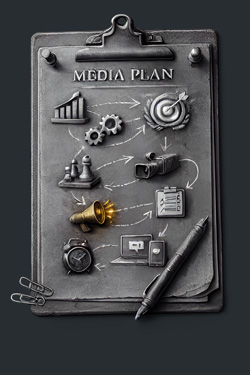
Smart Locker screens add a new layer to the existing blend of television, online video, social, search, and traditional out of home. At first, planners may struggle to see where Smart Locker Advertising fits within their existing structures, and how to brief it alongside other retail and shopper channels. Questions arise about budget allocation, flighting, and creative consistency. When these issues are addressed, smart locker campaigns can be aligned with wider brand stories, offer reinforcement at the point of purchase, and echo messages seen elsewhere. Integration then transforms the format from a stand alone experiment into a fully fledged part of the media ecosystem.
Ultimately, why this new medium, though it presents untapped opportunities, can feel unfamiliar is closely linked to certain barriers to adoption, yet all of these obstacles can be overcome. Through phased testing, marketers can run pilot campaigns to learn how contextual creative design, location based messaging, and shopping pattern aligned scheduling work in practice. Education, in the form of clear guidelines, case studies, and training, builds confidence around measurement and attribution. Collaboration with experienced media partners who understand both the technical and creative dimensions of Smart Locker Advertising helps teams integrate the format smoothly into broader plans. In this way, hesitation gives way to informed experimentation, and Smart Locker screens can be embraced as a valuable, future facing element of the retail media landscape.
SMART LOCKER ADVERTISING PROTOTYPES
Use cases for context-driven media
From industries such as retail media networks and transit advertising, experiential to marketing and point-of-sale digital displays methods and tactics that resemble pre-cursors to our modern Smart Locker Advertising have already successfully used similar tactics to influence audiences at moments of intent.
Retail media networks in supermarkets and pharmacies, for example, use digital screens at aisle ends and near key categories to influence shoppers at close proximity to shelves. These displays present timely offers, brand stories, and product education precisely when people are considering what to buy. The success of these networks is built on contextual relevance and proximity to action, as messages are tailored to the location, category, and often the time of day. Smart Locker screens follow the same principle, offering brands a way to appear in the right place, at the right moment of intent, within the overall retail journey.
Digital screens in train stations, bus terminals, and airports reach travellers who are present, attentive, and often in a waiting state. Here, repeated exposure and carefully timed creative play an important role. Commuters who see the same message each day during their journey gradually build familiarity and trust with the brand. Experiential marketing and point of sale digital displays add further evidence. Interactive installations in malls, pop up experiences at events, and digital displays near tills have shown how context driven media can guide behaviour, encourage trial, and reinforce key messages exactly when people are about to take action.
By examining these use cases it becomes clear that the principles behind Smart Locker Advertising are already being tested and are transferable and trusted. Contextual relevance ensures that content feels suited to the moment and place. Proximity to action means that messages are delivered when people are close to making decisions. Repeated exposure deepens memory and emotional connection over time. Smart Locker screens simply apply these principles in a new setting, at the heart of Click and Collect behaviour. In this sense, Smart Locker Advertising is not a speculative platform, but a natural extension of context driven media that is already a staple method of engaging and connecting with audiences.
SMART LOCKER ADVERTISING IS OUT OF HOME – ELEVATED
Recombining insight and innovation
Marketers want channels that can prove their value, reach audiences at clear moments of intent, and still offer creative freedom and brand safety. At the same time, we have seen how retail media networks, transit environments, and point of sale displays already use context, proximity, and repetition to influence behaviour. Now, we can take what is already trusted in these settings and apply it to sthe Smart Locker Advertising platform. This intersection turns a practical installation into a space where brands can speak directly to people who are present, focused, and ready to act.
When contextual creativity, smart scheduling, data informed planning, and integrated measurement are combined, Smart Locker Advertising moves from novelty placement to strategic media channel. Contextual creativity ensures that messages feel naturally linked to the task of collection, the time of day, and the mood of the mall. Smart scheduling aligns campaigns with shopping patterns, seasonal rhythms, and audience flows, so content appears when it matters most. Data informed planning uses footfall, dwell time, and store level insights to shape which messages run where. Integrated measurement brings this all together, connecting exposure on smart locker screens to outcomes such as store visits, sales uplift, and brand metrics.
Seen through this lens, Smart Locker screens become an integral part of a broader digital out of home ecosystem. They work in harmony with mobile, social, and retail media, reinforcing messages that people have seen on their phones or in their feeds, and echoing stories that appear on other mall screens and in store environments. A shopper might first encounter a brand on social, see it again on a roadside screen, and then meet it once more at the smart locker as they collect a parcel and prepare to browse. This creates coherent and impactful brand journeys, and transforms the humble Smart Locker screen into a strategic touchpoint that supports the entire path from awareness to action inside the modern shopping centre.
THE FUTURE OF SMART LOCKER ADVERTISING
Out of home designed for modern intent
The first step to seizing the opportunities in Smart Locker Advertising rests on understanding that people move through malls with clear purposes, changing moods, and many small moments of attention. This brand new platform represents a natural evolution of out of home media because it grows directly from the Click and Collect movement, where secure, convenient collection points became part of everyday retail life. By adding digital screens to this useful infrastructure, shopping centres have transformed functional surfaces into dynamic, context rich media. This evolution has created a channel that is both familiar in its setting and fresh in its possibilities.
For brands and consumers, the benefits are shared and complementary. Shoppers experience this new form of digital out of home as part of their journey rather than as an interruption, seeing relevant content at a moment when they are already present, engaged, and often ready to spend. Relevance, convenience, and contextual messaging support a smoother experience, while brands enjoy access to high footfall locations, meaningful dwell time, and media that sits close to real purchase decisions. When combined with contextual creativity, smart scheduling, data informed planning, and integrated measurement, Smart Locker Advertising becomes out of home designed for modern intent, aligning attention, environment, and action in a way that traditional screens cannot always achieve on their own.
Published: 20 Feb 2026
