


Discerning between novelty and necessity

The Future of
Branding Projects

How tactile, responsive innovation is redefining connection, purpose, and brand experience

As emerging technologies move from innovation labs into everyday life, their influence on branding projects is reshaping how companies express identity, purpose, and connection. A handful of transformative technologies have made their mark and transitioned from experimental breakthroughs to viable tools for brand expression. They blur the boundaries between physical form, human experience, and digital intelligence, and reveal new opportunities for brands to move beyond visual storytelling into tactile, responsive, and participatory experiences. A new way to elevate branding projects by enabling personalisation, sustainability, and emotional engagement at unprecedented levels is on the horizon. We are moving away from viewing emerging technologies as novelty features, and towards positioning them as powerful instruments for meaningful connection, inviting marketers and brand managers to imagine branding projects as not only seen and heard, but felt, lived, and shared.

Emerging technologies and the future of branding

Table of Contents

BRANDING PROJECTS EVOLVING

A Changing World, A Changing Consumer

Human experience today is shaped by rapid social, cultural, and technological shifts that influence how people see themselves and how they wish to be seen. Audiences are no longer satisfied with distant, one directional communication. They look for brands that mirror their realities, values, and aspirations with a sense of immediacy and sincerity. This means that branding projects need to evolve alongside human experience, not only in how they look and sound, but also in how they behave, interact, and adapt across many different contexts.

In this environment, traditional branding methods that rely mainly on visual and verbal storytelling are still important, but they can definitley benefit from a boost with the help of emerging technologies. Logos, colour palettes, tone of voice, and taglines remain valuable, yet modern consumers engage with brands through layered, interactive journeys that extend far beyond a static identity system. People form impressions through digital platforms, apps, social spaces, and immersive experiences that unfold over time. As a result, branding projects that want to succeed in this era need to consider not only what a brand says and shows, but how it responds, learns, and participates in everyday life.

FIVE TECHNOLOGIES TO ELEVATE BRANDING PROJECTS

Responding to Unspoken Needs

To remain relevant, human centred, and emotionally resonant in a world where technology increasingly mediates experience, marketers must integrate both established and emerging technologies as essential socio-cultural elements within their branding projects. This includes using data and AI to personalise interactions, extended reality to deepen immersion, and interactive platforms to invite participation and co-creation.

3D Printing

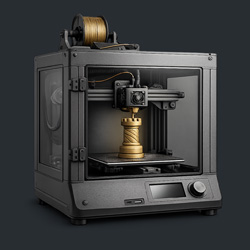
Technologies to elevate Branding Projects 1 – 3D Printing

Before people could clearly ask for on demand, customised objects, there was a quiet desire for products that reflected individual identity, specific contexts, and rapid experimentation. 3D Printing emerged as a way to prototype quickly, reduce waste, and create unique items that would have been impossible or uneconomical with traditional manufacturing. For marketers and brand managers, this tool can help elevate branding projects by turning brand ideas into tangible artefacts that customers can touch, customise, and even help design. Limited edition objects, co-created merchandise, and interactive installations that allow visitors to print their own branded pieces, and transform campaigns into participative experiences that deepen long term engagement.

Living Concrete
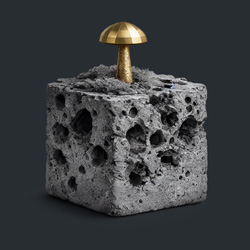
Technologies to elevate Branding Projects 2 – Living ConcreteThis tech speaks to environmental and structural needs that many people felt but did not always know how to express. There has been a growing desire for buildings and spaces that are not only strong, but also sustainable, regenerative, and kinder to the planet. Living Concrete, which can incorporate biological or self-healing properties, emerged to address challenges around durability, maintenance, and environmental impact. For branding projects, this material offers powerful symbolism and practical potential. Marketers and brand managers can integrate Living Concrete into flagship stores, pavilions, and pop-up spaces that embody resilience, regeneration, and care for the environment. When a physical brand environment can repair itself or visibly incorporate living elements, it becomes a storytelling canvas that reflects shared values and invites audiences into an ongoing relationship with the brand and its spaces.

E-Skin

Technologies to elevate Branding Projects 3 – E-SkinThere was a subtle but powerful desire for technology that feels more like a second layer of self rather than a separate device, and customers have been reaching for tools that could sense touch, temperature, and movement in a seamless manner. E-Skin responds to these latent human needs by embedding intelligence into thin, responsive surfaces that can read the body and the surrounding environment. Marketers can weave E Skin into experiential branding projects that respond to audience presence, gesture, or emotion. For example, installations that change in real time as people interact, or demonstration zones that show how safety, health, or performance can be monitored in a human centred way. Used thoughtfully and ethically, E-Skin helps brands express empathy, responsiveness, and care, turning technology into a bridge between inner experience and outer expression.

Smart Clothing and Fabric
Technologies to elevate Branding Projects 5 – Wearable WellnessWith an unspoken wish for garments that are not only expressive, but also adaptive and supportive, people were imagining clothing that could regulate temperature, respond to movement, track performance, or display shifting designs. Smart Clothing and Fabric emerged to solve both practical and emotional challenges, offering comfort, safety, and self-expression in one integrated layer. As one of the five technologies to elevate branding projects, this innovation allows marketers and brand managers to create living brand canvases that move through the world with their wearers. Collaborative capsule collections, loyalty rewards that unlock smart features, and event experiences where participants wear responsive garments all turn branding into an ongoing, personalised journey. In this way, Smart Clothing and Fabric become tools for participation and personalisation rather than isolated technological novelties.

Wearable Wellness Devices and Prosthetics

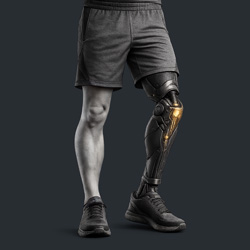
Technologies to elevate Branding Projects 4 – Smart ClothingA response to deep human needs for dignity, autonomy, and holistic health, many individuals wanted more than basic medical devices. They longed for tools that looked and felt considered, that integrated into daily life, and that reflected a sense of identity and aspiration. The latest generation of Wearable Wellness Devices and Prosthetics emerged to meet those needs, providing data, support, and enhanced ability in designs that respect both function and emotion. For branding projects, this represents an invitation to engage with inclusion, empowerment, and long-term support in a sincere way. Marketers and brand managers can partner with innovators and communities to create campaigns that highlight real stories, co-designed programmes, and supportive ecosystems rather than simple product showcases. When Wearable Wellness Devices and Prosthetics are presented as part of a compassionate, intelligent brand narrative, they help transform technology into a source of trust, emotional connection, and enduring engagement.

When thoughtfully applied, these technologies do more than add novelty. They help brands reflect the complexity of modern life, support meaningful relationships at scale, and honour the emotional needs of a changing consumer. In this way branding projects become living systems that grow alongside the people they serve, grounded in human insight while enriched by intelligent, contemporary tools.

HESITATION FOR BRANDING PROJECTS INNOVATION

Is early adoption complex and risky?

There are very real pressures that marketers and brand managers face within their organisations. Emerging technologies can appear costly to experiment with, particularly when budgets are already committed to proven channels and familiar formats. Early adoption may also seem complex, involving new partners, new processes, and new ways of measuring success. Internal capability gaps add another layer of concern, as teams may feel that they do not yet have the skills or confidence to integrate technologies such as AI, smart materials, or immersive media into their branding projects in a responsible way. Against this backdrop, the question “Is early adoption complex and risky?” feels entirely reasonable rather than overly cautious.

Beyond practical concerns, there is a deep emotional and strategic tension between innovation and authenticity. Marketers and brand managers care about protecting the brand core, persona, and long term trust, and they worry that embracing new technologies without a clear narrative could dilute hard won identity. There is a fear of appearing performative or opportunistic, especially when innovation is introduced as a spectacle rather than as a meaningful extension of brand purpose. If an experience feels disconnected from existing values or visual language, audiences may struggle to reconcile the new expression with what they already believe about the brand. This perception risk makes leaders understandably cautious about pushing branding projects too far, too fast, even when they are genuinely excited by the potential of emerging technologies.

By naming these challenges clearly, it becomes easier to see that hesitation for branding projects innovation is not simply resistance to progress, but a natural response to safeguarding coherence and trust. Many marketers are not asking whether innovation has value, but rather how to sequence it, frame it, and resource it so that it deepens rather than disrupts authenticity. When early adoption is guided by a strong strategic foundation, transparent communication, and a commitment to human centred outcomes, the sense that early adoption is complex and risky begins to soften. Hesitancy can then be reframed as careful stewardship, a thoughtful pause that allows brands to integrate new technologies in a way that honours their core story while opening exciting paths for future growth.

SUCCESSFUL BRANDING PROJECTS BALANCE TECHNOLOGY AND HUMANITY

Aligning innovation with values, purpose, and creativity

A forward-looking approach begins by recognising that technological advancement is most powerful when it serves authentic human needs and aspirations. Instead of treating technology as a spectacle, brands can use it as a medium to express empathy, care, and curiosity about the people they serve. This means anchoring every emerging tool in a clear sense of why the brand exists, what it stands for, and how it wishes to participate in culture. When technology is framed as a way to deepen relationships rather than simply drive efficiency, branding projects naturally become more human centred and emotionally resonant.

There are strong strategic advantages in adopting emerging technologies within this values-led framework.

Tools that enable richer data insight and intelligent automation can support deeper emotional engagement, because they allow brands to understand context, mood, and preference in more subtle ways. Enhanced personalisation becomes possible at scale, not just in obvious elements such as recommendations, but in tone, pacing, and the types of experiences offered. Technologies that support circular design, reduced waste, or regenerative materials make stronger sustainability narratives more tangible and credible. When innovation is guided by purpose, successful branding projects strike a perfect balance between technology and humanity by making every interaction feel considered, timely, and respectful.

To achieve this, brands need tools, mindsets, and interdisciplinary thinking that truly support aligning innovation with values, purpose, and creativity. Collaboration between creative, technical, and strategic teams is essential, with space for experimentation, reflection, and shared learning. Designers, technologists, data specialists, and brand strategists can work together to translate possibilities into experiences that are experiential, adaptive, and deeply participatory. Emerging technologies then become instruments for co-creation, community involvement, and continuous storytelling, rather than isolated features. In this way, the integration of technology unlocks new creative potential, allowing branding projects to evolve into systems that feel alive, responsive, and beautifully aligned with the human stories at their heart.

STRENGTHENING BRANDING PROJECTS

Learning from lateral solutions

Using emerging tech to elevate branding projects becomes easier when marketers and brand managers take lessons that have already proved their worth in other demanding environments. In healthcare, for example, clinicians and designers use user centred design to shape digital tools, treatment journeys, and communication in ways that respect patients as people first. Architecture applies similar thinking to public spaces and buildings, considering movement, comfort, light, and accessibility as core requirements rather than afterthoughts. When branding projects adopt this same user centred mindset, technology is no longer an add-on. It becomes part of a carefully crafted experience that reflects how people feel, decide, and live with a brand in their daily lives.

Other disciplines also show how ethical innovation frameworks and iterative prototyping can guide responsible use of emerging technologies. In fashion, questions around labour, materials, and environmental impact have encouraged brands to experiment with new textiles, circular systems, and digital experiences that reduce waste while preserving beauty and self-expression. Human computer interaction has long relied on iterative prototyping to test concepts early, gather feedback, and refine interfaces until they become intuitive and welcoming. When applied to branding projects, these practices help marketers explore new technologies in small, thoughtful steps, involving real users and communities rather than imposing solutions from the top. This reduces the sense of risk and allows innovation to be grounded in evidence, empathy, and shared learning.

By Learning from other solutions in this way, marketers and brand managers can use technology for branding projects that create genuine value, foster advocacy, and strengthen the emotional bond between brands and their communities. User centred design ensures that experiences feel relevant and respectful. Ethical innovation frameworks keep emerging tools aligned with social and environmental responsibility. Iterative prototyping allows teams to adapt quickly while staying true to brand purpose and identity. Together, these approaches contribute to strengthening branding projects by turning technology into a medium for deeper connection, where people feel invited, heard, and supported, and where brands earn trust through consistent, meaningful action over time.

BRANDING PROJECTS THAT ARE FELT, LIVED, AND SHARED

The future of brand expression through tech

Emerging technologies have moved beyond experimental novelties and are now powerful instruments for meaningful connection, which is the true bedrock of successful branding projects. As social, cultural, and technological change accelerates forward, audiences look for the brands that best reflect their own inner lives as well as their social behaviours. When technology is guided by human values, it helps brands listen more deeply, respond more thoughtfully, and design experiences that feel personal, participative, and emotionally resonant.

Within this future of brand expression with the help of emerging technologies, each innovation that is introduced offers a different path to richer, more human branding projects. 3D Printing allows brands to turn ideas into tactile artefacts that customers can help shape, inviting co creation and personalisation. Living Concrete brings sustainability and regeneration into physical environments, turning buildings and installations into symbols of care for people and planet. E-Skin opens the door to interactive surfaces and responsive experiences that reflect presence, touch, and emotion. Smart Clothing and Fabric enable garments that carry living brand stories into everyday life, while Wearable Wellness Devices and Prosthetics celebrate dignity, inclusion, and long-term wellbeing. Together, these technologies show how branding projects can inhabit the spaces where bodies, environments, and identities meet and thrive together.

The most exciting insight is that marketers and brand managers do not need to choose between humanity and innovation. By approaching these tools with curiosity and care, they can strengthen authenticity while expanding what is creatively possible. When used thoughtfully, emerging technologies become graceful supports for participation, personalisation, and enduring engagement, rather than distractions or spectacles. The opportunity ahead is to shape branding projects that are felt, lived, and shared, where brand experiences are not only seen and heard, but also held in the hand, walked through, worn on the body, and integrated into everyday wellbeing. This is the future of brand expression through tech, and it invites courageous, compassionate experimentation from those who are ready to lead.

Updated: 6 Feb 2026

Nucleus Vision Digital and Design Legends
A full-service Marketing and Design Agency
hero@nucleusv.com
www.nucleusvision.digital

whatsapp-icon