


Table of Contents
THE JOURNEY TO A MULTI-CHANNEL MARKETING CAMPAIGN
Which road will you take
Achieving a successful multi-channel marketing campaign begins with a clear understanding of the target audience. Knowing their preferences, behaviours, and media habits allows marketers to select the right combination of channels. Once the audience is defined, marketers develop a central message or theme that acts as the anchor for the entire campaign. This message must remain consistent even as it adapts in tone, format, or length for each channel. The next step is to craft content tailored to the strengths of each platform, ensuring that visuals, copy, and calls to action feel organic rather than duplicated. To do that we need to understand the channels themselves.
Digital Channels

Digital channels are the heartbeat of a modern multi-channel marketing campaign, offering immediate, interactive, and highly targeted ways to reach audiences. These include social media platforms, websites, email marketing, mobile apps, and paid digital advertising. Their strength lies in real-time engagement, precise data insights, and the ability to adapt content instantly. The modern benefit of digital channels is their agility. They allow marketers to test, learn, and optimise continuously, ensuring that every message evolves in harmony with audience behaviour. Digital channels also empower brands to create seamless journeys across devices, making each interaction feel natural, personalised, and emotionally resonant.
Content-Based Channels

Content-based channels focus on delivering value through storytelling, education, and creative expression. Examples include blogs, articles, podcasts, webinars, and video platforms such as YouTube. These channels help brands share their expertise, build trust, and foster deeper relationships with audiences. Their modern advantage is their longevity and discoverability. A well-produced video or blog post can generate engagement for months or even years, nurturing audiences long after the initial publication. Content-based channels encourage curiosity and loyalty, inviting consumers into a richer narrative that extends far beyond a single moment of interaction.
Experiential Channels
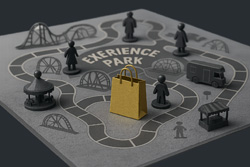
Experiential channels bring the brand to life through memorable, sensory-rich interactions. These include events, pop-up activations, and trade shows. The benefit of experiential marketing lies in its ability to create emotional impact. Experiences are not consumed; they are lived. Modern experiential channels often integrate digital elements such as augmented reality or mobile participation tools, blending physical presence with personalised engagement. By immersing audiences in the brand’s world, experiential marketing fosters stronger emotional bonds and stimulates powerful word-of-mouth advocacy.
Traditional Channels
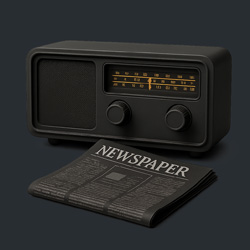
Traditional channels remain influential and credible pillars of marketing, offering mass visibility and cultural presence. Print media such as magazines and newspapers provide tactile, lasting engagement. Out of Home channels such as billboards and transit advertising offer broad reach and high-frequency exposure. Public broadcast platforms like television and radio deliver shared cultural moments and strong storytelling opportunities. The modern advantage of traditional channels is their renewed relevance in a digital world. When combined with data-driven strategies and digital amplification, traditional advertising becomes a powerful anchor that enhances recognition, trust, and campaign memorability.
Reputation Channels

Reputation channels shape how audiences perceive a brand through earned credibility and authentic social proof. These include public relations, influencer partnerships, reviews, testimonials, and thought leadership. Their strength lies in the trust they generate, as audiences often value third-party validation more than direct brand messaging. The modern benefit of reputation channels is their ability to humanise brands and build long-term authority. Through transparent storytelling, meaningful partnerships, and consistent value-driven communication, reputation channels help brands cultivate loyal communities and reinforce their place in cultural conversations.
When these channels are chosen thoughtfully and combined with intention, a multi-channel marketing campaign can become a powerful engine for reach, engagement, emotional connection, and measurable impact. The right mix brings coherence to the customer journey, turning scattered interactions into a unified brand experience that is both memorable and meaningful.
CREATING A MULTI-CHANNEL MARKETING CAMPAIGN FROM A SINGLE ONE
Re-imagining successful campaigns
Multi-channel marketing campaigns succeed when they use the right combination of platforms, each chosen for its audience, strengths, and ability to support a coherent message. The following three campaigns already demonstrate strong strategic thinking and cultural sensitivity, which is why they achieved meaningful results in 2022. FCB Inferno’s “Dyslexic Thinking” reframed a misunderstood condition as a strength, Quiet Storm’s “The Most Wonderful Time of the Year” inverted a familiar Christmas idea to promote early year holidays, and Retroviral’s “Be You. Period.” gave Lil Lets a bold, socially grounded voice in the menstrual health conversation. All three succeeded on their own terms, yet each could gain further reach, depth, and longevity if re-imagined explicitly as multi-channel marketing campaigns.
FCB Inferno: Dyslexic Thinking
In its original form, “Dyslexic Thinking” focused on changing public perception by reframing dyslexia as a valuable way of thinking. The campaign used a high-profile alliance between Virgin, Made By Dyslexia, and LinkedIn, where “Dyslexic Thinking” was added as an official skill, and the message extended into earned media and cultural commentary. The primary audience was professionals with dyslexia and employers on LinkedIn, with a message that celebrated creativity, ingenuity, and communication as core strengths. The content was mainly platform led and purpose driven, with the key channel being LinkedIn and supporting PR. The “scheduling” was more moment based than seasonal, and the results included more than ten thousand people adding the skill and the term being recognised by Dictionary.com and awarded by Marketing Week.
Watch the original video here.
Re-imagined as a multi-channel marketing campaign, the same idea could retain its core audience but deepen its reach into education, recruitment, and youth leadership. In addition to LinkedIn, a multi-channel approach could include short form video stories on platforms such as Instagram and TikTok, showing real dyslexic professionals at work, as well as podcasts or webinars featuring leaders like Sir Richard Branson in conversation with young dyslexic thinkers. Digital Out of Home screens at universities, co-working spaces, and transport hubs could carry the “Dyslexic Thinking” skill message, directing people to a dedicated microsite with resources for employers and learners. Email campaigns to HR leaders and online toolkits for schools would extend the narrative from awareness into action. These additional channels would create repeated emotional touchpoints and a richer ecosystem around the idea, while data from each platform would help refine the message for different segments.
The comparison shows that the original campaign already achieved impressive cultural impact with a focused channel strategy, but a multi-channel version could turn that impact into a sustained movement. By layering channels that serve different stages of the journey discovery, education, advocacy and pairing digital storytelling with real world visibility, the campaign could support long term change in hiring practices and self-perception among dyslexic individuals. The advantage of a multi-channel approach here lies in its ability to reinforce the same purpose led message in varied contexts, making it easier for the audience to see, internalise, and act on the idea.
Quiet Storm: The Most Wonderful Time of the Year
Quiet Storm’s “The Most Wonderful Time of the Year” for On the Beach cleverly subverted the Christmas season by arguing that for many in the United Kingdom, early year holidays are the real highlight. The audience was clear: people in the UK who regularly book short haul holidays at the beginning of the year. The message contrasted the traditional Christmas narrative with the joy of escaping to the beach after the holidays. The content likely centred on television and online video spots that echoed the familiar Christmas song, but shifted the emotional focus to sunshine, rest, and escape in January. The key channels were broadcast and perhaps supporting digital placements, with the scheduling timed for the post-Christmas booking window. The campaign delivered measurable uplift, with high message recall and spontaneous brand awareness rising from sixteen to twenty five percent.
Watch the original video here.
If re-imagined as a multi-channel marketing campaign, the same insight could be expanded into a full seasonal ecosystem. On top of television, On The Beach could use programmatic display and social media to target audiences who are searching for “cheap holidays,” “winter sun,” or “January blues” content. User generated content campaigns inviting people to share their “real most wonderful time of the year” moments would add social proof and participation, while email and app-based offers could reward early bookings. Digital Out Of Home ads in cold city centres and commuter routes during dark January mornings could contrast gloomy scenes with bright beach imagery, supported by mobile retargeting that shows relevant deals to those who pass the screens. Short, humorous video content on platforms such as Instagram and TikTok could play with the tension between Christmas chaos and beach calm, extending the narrative beyond a single ad into an ongoing seasonal conversation.
The original campaign already matched audience, message, content, channel, and timing with impressive precision. The advantage of a multi-channel approach would be to move the idea from a clever inversion of a Christmas trope into a complete seasonal habit for the audience. By weaving the same core message through multiple channels that reflect different moments in the daily routine from morning commute to evening browsing the brand could increase frequency, relevance, and emotional impact. This would likely convert awareness gains into stronger booking behaviour, while the layered approach would give the brand more data to refine future seasonal campaigns.
Retroviral: Be You. Period.
Retroviral’s “Be You. Period.” campaign for Lil Lets combined spoken word, activism, and conversation to challenge stereotypes and broaden representation around menstruation. The core audience included menstruators, particularly younger women, and girls, as well as those engaged in menstrual health rights. The message centred on acceptance, individuality, and honest dialogue about topics that are often stigmatised. The central content piece was a spoken word video written and performed by poet Puno Selesho, featuring menstrual health activists, supported by a continuing conversation through a crowd-based platform and a series titled “Lil Lets Talk” with media personality Dineo Ranaka. The channels included social media, video content, and web-based dialogue, with scheduling shaped by the ongoing nature of the conversation rather than a single campaign window. The results included multiple Prism Awards and recognition for reputation, brand management, and social media effectiveness.
Watch the original video here.
A multi-channel marketing campaign re-imagining could keep this strong foundation while extending both reach and depth. In addition to the core video and social content, Lil Lets could use podcasts or audio series to explore menstrual health topics in greater detail, featuring medical experts alongside lived experience voices. Partnerships with health apps and educational platforms could help integrate the message into cycle tracking tools and school resources. Digital Out Of Home screens near schools, universities, and clinics could highlight short lines from the poem alongside clear calls to action directing people to resources or episodes of “Lil Lets Talk.” Community-based events or pop-up installations in malls could invite people to share their own “Be You. Period.” stories, which could then feed back into social content and longer form storytelling. Email newsletters or WhatsApp communities could offer safe spaces for continued support, education, and brand dialogue.
The original “Be You. Period.” campaign already feels multi-dimensional in its use of art, conversation, and digital platforms. A more explicitly multi-channel approach would strengthen the feedback loop between audience, content, and brand. By connecting high visibility storytelling with private, supportive channels and real-world spaces, the campaign could deepen trust and solidarity, encouraging stronger advocacy and long-term brand loyalty. The benefit of this re-imagining is that it honours the sensitivity of the subject while using multiple channels to meet people where they are emotionally, socially, and physically.
All three original campaigns were successful because they understood their audiences, carried clear and resonant messages, and chose content and channels that aligned well with their strategic goals. They demonstrate that strong creative insight and meaningful purpose can achieve impressive reach and recognition even without an explicitly broad multi-channel structure. However, imagining each campaign within a multi-channel marketing campaign framework highlights additional advantages: extended reach across touchpoints, stronger emotional reinforcement, richer data for optimisation, and more opportunities for audiences to participate actively in the brand story. Multi-channel campaigns, when executed thoughtfully, do not dilute a powerful idea; they multiply its presence and impact, helping brands build relationships that feel consistent, immersive, and enduring.
MULTI-CHANNEL MARKETING CAMPAIGN ALLIANCES
Which channels are the perfect partnerships
Multi-channel marketing campaigns succeed when they use the right combination of platforms, each chosen for its audience, strengths, and ability to support the overall message. We can combine different channels that naturally complement one another to create cohesive, high-impact strategic ecosystems.
Alliance 1: Social Media + Influencer Marketing + Paid Digital Advertising
These three channels work together by amplifying reach, credibility, and precision targeting. Social media provides the stage, influencers add authenticity and personal connection, and paid ads extend visibility beyond organic audiences. Together they create a loop of discovery, engagement, and conversion that feels both dynamic and trustworthy.
Alliance 2: YouTube + Blogs and Articles + PR
YouTube brings emotional depth and visual storytelling, blogs provide structured detail, and PR adds authority and broader exposure. Together they build thought leadership and credibility. This alliance is ideal for brands looking to educate audiences, establish trust, and position themselves as industry leaders.
Alliance 3: Digital Out of Home (DOOH) + Mobile Retargeting + Social Media
Digital Out of Home builds mass brand awareness in key physical locations. Mobile retargeting then serves personalised ads to people who were near those locations, bringing immediacy and relevance. Social media completes the journey by offering interactive content that strengthens engagement. This trio blends physical presence with digital precision.
Alliance 4: Events and Activations + Video Production + Social Media
Events create memorable, emotional experiences. Video production captures these moments and turns them into powerful storytelling assets. Social media distributes the content, sparking conversation and extending the life of the event far beyond the physical moment. This alliance builds community and long-term brand affinity.
Alliance 5: In-Store Displays + Loyalty Apps + Email Marketing
In-store displays influence decisions in the moment, loyalty apps incentivise repeat engagement, and email marketing reinforces brand value with ongoing communication. Together they create an omnichannel journey that connects offline experiences with digital rewards, strengthening loyalty and encouraging consistent purchasing behaviour.
THE FUTURE OF MULTI-CHANNEL MARKETING CAMPAIGN
Taking new strategies forward
Multi-channel marketing thrives on the creative alchemy that occurs when the right platforms, messages, and audiences meet in perfect harmony. Every channel offers its own strengths, from the immediacy of digital platforms to the emotional richness of experiential moments and the enduring trust cultivated through reputation-based media. When these channels are combined with intention, they amplify one another, creating campaigns that feel alive, interconnected, and deeply human. The future belongs to brands that recognise this synergy and embrace the full spectrum of communication available to them.
The most exciting opportunities arise when marketers view campaigns through a multi-channel lens. A powerful idea is no longer confined to a single medium; it can grow into a network of experiences that meet people exactly where they are. A narrative that begins on social media can evolve through Digital Out Of Home storytelling, deepen through content platforms, and inspire action through community engagement. These alliances between channels do more than expand reach; they weave a consistent and emotionally resonant brand presence across all stages of the customer journey. With the guidance of a creative agency that understands both strategy and artistry, content becomes more than communication. It becomes culture.
Creative agencies are uniquely positioned to translate vision into multi-channel marketing campaigns that feel purposeful and unforgettable. By choosing agency partners who see the brand not only as it is, but as it can be, marketers unlock the potential to create campaigns that inspire, uplift, and leave a lasting imprint.
Updated: 19 Dec 2025
